
The "Mind-Body Split" in Modern Wellness
The "Mind-Body Split" in Modern Wellness.
by Tracey Saxon, NBC-HWC October 9, 2026
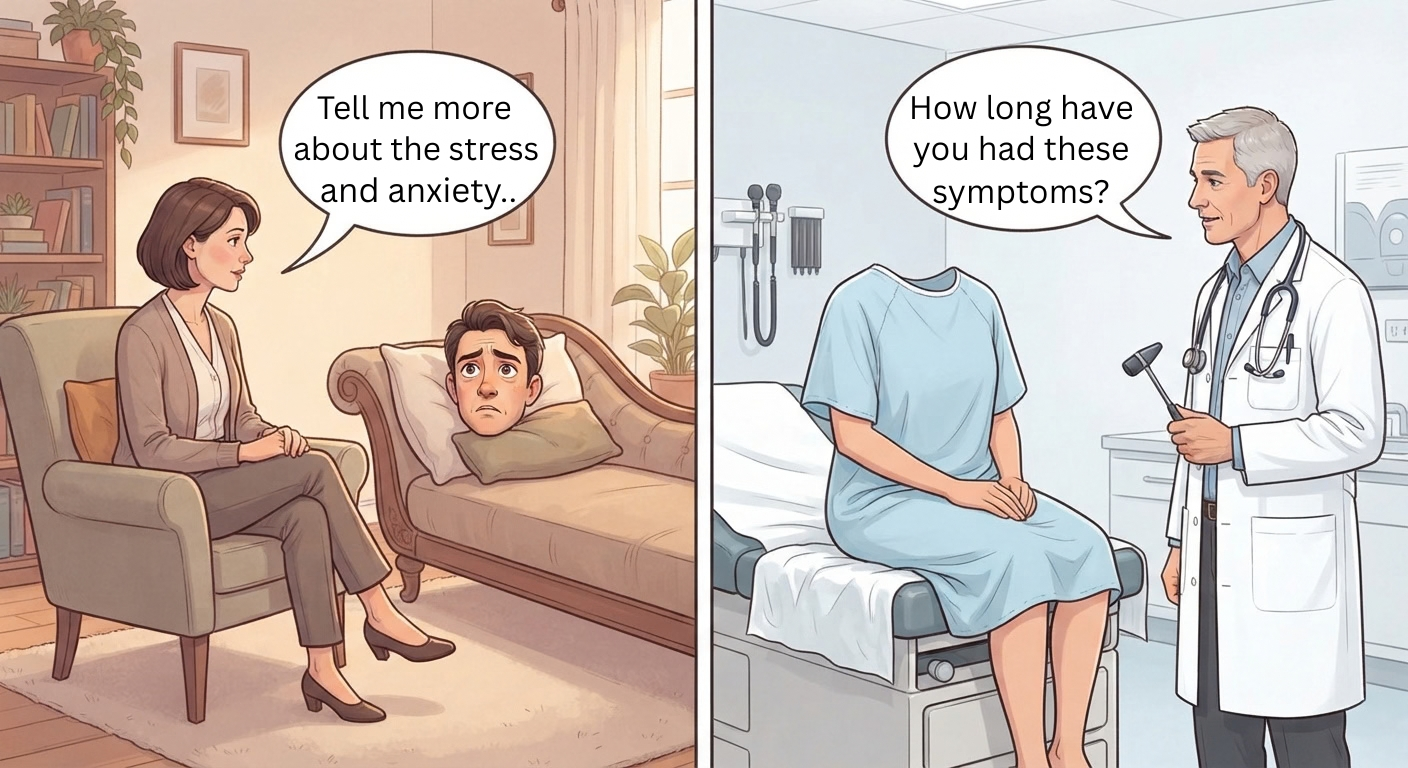
So often, we try to treat our thoughts and our physical bodies as if they are completely independent systems.
We go to see an MD for our physical symptoms.
Then, we make a completely separate appointment to see a therapist for our emotional stress.
We act like the neck divides us into two different people.
The Clinical Reality: Our minds and our bodies are intrinsically entwined and deeply interconnected.
Every stressful thought you think sends an immediate electrical signal rushing down into your heart. Conversely, when your body is trapped in a physical state of exhaustion or fight-or-fight, it sends a constant stream of "danger" signals back up to your brain.
It is a continuous, living feedback loop.
That is why true transformation and behavior change cannot happen through sheer willpower alone, it has to happen in both the mind and the body.
This is exactly why I am currently completing my Advanced Evidence-Based Training to become a Certified HeartMath Practitioner, bringing state-of-the-art Heart Rate Variability (HRV) biofeedback directly to my clients at Motivated and Successful LLC.
This tool is a game-changer! Together, we are moving away from guesswork, and using raw biology to physically and mentally guide the body out of survival mode and back into a state of calm, focused resilience.
Tracey 🫶🏽

Coaching vs Therapy
Ever wondered what actually happens during a board-certified coaching session? 🤔
A great coaching session isn’t about being told what to do. It is a true, collaborative partnership, an inspiring, forward-focused conversation centered entirely around your goals.
One of the core, evidence-based tools I use at Motivated and Successful LLC is Motivational Interviewing (MI).
This specialized conversational style helps you uncover your own internal motivations for positive change. Instead of giving you a rigid set of rules, a trained coach asks strategic, open-ended questions that empower you to discover your own path forward.
Here is exactly what you can expect from our coaching sessions:
🌱 Zero Judgement – A supportive, judgment-free space to share your journey openly, whether your focus is sobriety, nutrition, stress management, sleep, or lifestyle change.
🎯 You Guide the Journey – You decide what milestone matters most each week. The agenda always belongs to you.
🤝 Collaborative Goal-Setting – We break big life changes down into achievable, realistic "SMART" goals, and remove potential barriers.
🧠 Empowering Energy – You leave each session feeling motivated, capable, and confident in your ability to succeed.
Coaching is about walking the path with you, celebrating your wins, keeping you accountable, and helping you build lasting success. 🫶🏽
3 Simple Steps to Reduce Environmental Toxins
(And Why It’s the Most Overlooked Pillar of Longevity)

by Tracey Saxon, NBC-HWC
How heavily is our daily indoor environment dragging down our systemic biology?
As a Board Certified Health and Wellness Coach, my work centers on the broader pillars of Lifestyle Medicine and a holistic approach to behavioral health. Whether I am supporting a corporate executive, a new mother, or a clinical professional, one critical question always surfaces: How heavily is our daily indoor environment dragging down our systemic biology?
Our endocrine and metabolic systems are incredibly delicate. Yet, because the governing bodies meant to check and balance consumer safety often fall short, we are left completely in the dark. Without warning labels or public awareness, we inadvertently flood our homes with a massive daily cocktail of endocrine-disrupting chemicals (EDCs).
The biological toll is real. These environmental toxins mimic our natural hormones, hijacking cell receptors and quietly draining our cognitive focus, energy levels, and long-term health span.
We see this exact mechanism play out across many health hurdles. For instance, in my perinatal work, it surfaces as a hidden cofactor in secondary infertility, where a family easily conceived their first child but hits a frustrating wall with their second, completely unaware that the synthetic fragrances in personal care products, ‘baby safe’ laundry detergents, and sanitizing a home with harsh chemical disinfectants out of a protective instinct, has spiked their indoor toxic load.
But whether you are optimizing for fertility, executive brain fog, or longevity, the best thing we can do as a professional community is simply share the knowledge. When someone finds a clean alternative that works, sharing it isn't a criticism of your current routine, it is a gift of awareness. The greatest service we can do for each other is to listen with an open mind, receive it with gratitude, and use it to empower our choices.
True wellness isn't about guilt, restriction, or reading microscopic labels all day. It’s about making high-yield, simple substitutions to outsmart a broken regulatory system.
Here are 3 simple steps to take the biological burden off your body today:
1. Streamlining Everyday Cleaners
Aggressive chemical formulas are entirely unnecessary for a safe home. Good old-fashioned vinegar and baking soda work like absolute magic, especially on a greasy kitchen stovetop. For laundry, switching to a verified clean brand like Molly's Suds is a seamless shift. If you want a welcoming aroma when guests visit, source an all-purpose spray from Whole Foods' household section. They ban over 240 harmful ingredients, allowing you to enjoy a premium scent for special occasions without the daily toxic load.
2. Rethinking Thermal Receipts
It sounds minor, but thermal paper cash register receipts are heavily coated in raw BPA or BPS, which absorbs rapidly through the skin. This absorption accelerates up to a hundredfold if you've just used chemical hand sanitizer, which strips your skin's natural lipid barriers. The fix is zero-friction: use the same credit card for tracking, and simply decline the paper slip. If you need it for business or a return, choose the digital option to have it emailed right at the register.
3. The Personal Care Shortcut
Swapping out makeup, lotions, or colognes feels daunting because professionals need products that actually perform. If you want an immediate shortcut without studying endless ingredient lists, look for European Cosmetics. The EU bans over 1,600 toxic chemicals in beauty and grooming products, compared to just a handful in the US. Alternatively, shop the personal care aisle at Whole Foods, where every product is heavily pre-vetted for biological safety before hitting the shelves.
Sharing healthy information can be life-changing. When we lift the chemical burden, we give our bodies the space to do exactly what they were beautifully designed to do. Let's leverage our collective knowledge.

The "Village" of support every new Mom needs.
Rebuilding the Village: The Interconnected Reality of Perinatal Behavioral Health and Recovery
Motivated and Successful LLC
May 21, 2026
By Tracey Saxon, NBC-HWC Founder & Lead Health Strategist at Motivated and Successful LLC
Why addressing the function of behavior and maternal isolation is the key to sustainable holistic healing.
The Root Causes of Self-Medicating in Maternal Health
True maternal care requires looking at the whole person, because absolutely everything in behavioral health and whole-person wellness is interconnected.
When we look closely at the function of a behavior through a trauma-informed lens, we often find that patterns of self-medication are tied directly to deeper, unsupported clinical issues like anxiety, depression, and unresolved trauma.
We see this exact cycle play out constantly in our modern culture. It frequently starts with a casual glass of wine with dinner to unwind from the day. Then it shifts into two glasses. Then, it becomes a routine glass of wine late afternoon just to manage the intense stress of a fussy, colicky baby.
Before a mother even realizes what has happened, she finds herself on a terrifyingly slippery slope of self-medicating the overwhelming stress of a massive life transition simply because she lacks a sustainable support framework.
The Lost Village of Modern Motherhood
Historically, families relied on robust, multi-generational support systems. Grandparents lived in the family home, and an entire village of aunts, cousins, and neighbors lived just down the street.
Today, that natural community structure is gone. Family support is often a plane ride away, forcing modern mothers to navigate the complex physical, mental, and emotional shifts of the fourth trimester in complete isolation.
When an individual lacks a specialized support system during a pivotal time like the pregnancy or postpartum transition, defaulting to familiar coping mechanisms becomes a tool for basic survival.
Bridging the Gap with Sustainable Routines
To address this gap, we must actively rebuild that missing village through targeted behavioral strategies. Real, lasting wellness cannot be found in temporary fixes or corporate trends; it requires an integrated approach that honors both physical and mental health.
By blending evidence-based perinatal mental health coaching, and postpartum care with professional recovery strategies, practitioners can provide families with a judgment-free, safe harbor. True, sustainable healing is built step-by-step, by focusing on the core pillars of lifestyle medicine:
Sharing Comprehensive Resources: Providing direct physical and emotional support alongside accessible educational tools and community networks.
Mapping Tailored Postpartum Plans: Structuring daily schedules and strategies to seamlessly manage mealtimes, doctor's appointments, and household flow.
Setting Achievable Wellness Goals to achieve good nutrition, restorative sleep, and physical fitness, and breaking them down into manageable, daily actions.
Developing Healthy Routines and Sustainable Habits: such as meal prep, morning sunlight exposure, fresh air walks and a winding down schedule, which help regulate the nervous system.
Allowing us to move away from shame, address root causes, and establish a foundation for holistic, long-term well-being.
How to Get HUSKY Health Medicaid Covered Postpartum Doula Support in Connecticut
by Tracey Saxon, NBC-HWC, CD, PBHC
Bringing a new baby home is a beautiful, life-changing transition, but it can also feel incredibly overwhelming. Whether you are recovering from a planned or high-risk C-section, navigating perinatal anxiety, or trying to balance the demands of a newborn with daily self-care, you do not have to walk this path alone.
Every new mother deserves an unshakeable foundation of physical healing, emotional safety, and non-judgmental support.
For many families in Connecticut, the biggest barrier to getting professional postpartum care is the cost. That is why I have dedicated my practice to bridging the gap: Motivated and Successful LLC is fully enrolled as an in-network provider for Connecticut HUSKY Health / Medicaid.
Here is exactly how you can use your HUSKY benefits to get specialized maternal health, behavioral support, and postpartum doula care completely covered.
What Perinatal & Postpartum Services Does HUSKY Cover?
Connecticut Medicaid (HUSKY Health) recognizes that comprehensive support before and after birth leads to healthier, happier outcomes for both mom and baby. As an in-network provider, HUSKY fully covers my specialized services tailored entirely to your unique family dynamics:
Postpartum Doula Care & Physical Healing: Hands-on, practical, and compassionate support as your body heals, ensuring you have a calm foundation at home.
Perinatal Behavioral Health Coaching: Dedicated, structured emotional support for everyday postpartum anxiety, mood shifts, and quieting the mental overwhelm.
Gestational Diabetes & Prevent T2 Management: Specialized lifestyle coaching to help you realistically balance blood sugar tracking and nutrition with the hectic reality of new motherhood.
High-Risk & C-Section Recovery Support: In-person and telehealth preparation and recovery tracking tailored specifically to the physical needs of cesarean births.
Please note: While HUSKY covers these specialized perinatal, postpartum, and gestational diabetes services, it does not cover general wellness or substance recovery coaching. Flexible private billing, HSA/FSA options, and digital superbills are happily provided for those services!
How to Get Started (No Stress, No Guesswork)
Accessing your supportive healthcare should be simple. You do not need to navigate complex insurance portals or figure out confusing codes on your own.
If you are currently enrolled in HUSKY Health and are either pregnant or navigating the early months of postpartum life, we can map out your journey together side-by-side.
Connect for a Free Virtual Coffee Chat: We will sit down via a secure telehealth consultation to chat about your upcoming birth plan, your current recovery needs, and your family goals.
Verify Your Coverage: We will seamlessly process your HUSKY information through Motivated and Successful LLC to ensure your specialized sessions are 100% covered.
Receive Dedicated Support: Whether we connect through secure telehealth nationwide or in-person right here in Connecticut, you will have a real, board-certified advocate entirely in your corner.
You Deserve to Thrive Today
Parenthood is a journey, but it shouldn't feel like an isolating struggle. By choosing to step into your healing today rather than waiting until tomorrow, you are building the practical, calm foundation you and your newborn need to thrive.

The "Luxury Cigar" Illusion: Dismantling a dangerous pleasure.
Tracey Saxon, NBC-HWC, RCP
Did you know that smoking a single large premium cigar can deliver the same amount of tobacco, nicotine, and toxins as smoking an entire pack of 20 cigarettes?
When I first learned this fact during my Tobacco Treatment Specialist (TTS) training at Duquesne University, I was absolutely horrified. To be completely honest, I didn't want to believe it.
I am sitting on my brown leather sofa right now, right next to the fireplace, a thick wool rug on the hardwood floor, surrounded by warm biophilic design. It feels incredibly peaceful, cozy, and comfortable, very much like a classic cigar lounge.
This environment instantly brings back the most wonderful, fond memories of my father sitting in his armchair, perfectly relaxed, smoking a cigar.
To this day, I absolutely love the smell of it. If I walk past an upscale cigar store and catch the scent of those wrapped leaves, it instantly floods me with happiness and reminds me of my dad, whom I miss a great deal.
But as a board-certified health professional, I have learned that we must balance deep personal nostalgia with clinical reality.
Because premium cigars are marketed as a luxury status symbol, high-stress corporate executives, lawyers, and high-performers frequently view them as a safe, sophisticated way to unwind. They believe that because it is "just a rolled leaf" without the synthetic chemical additives of cigarettes, it must be harmless.
The data tells a completely different story.
According to the official Centers for Disease Control and Prevention (CDC) Cigar Data, a single full-size premium cigar contains between 5 and 20 grams of tobacco, packing the raw tobacco mass of an entire pack of cigarettes into one single wrapper.
Furthermore, because cigar smoke is uniquely alkaline, the body absorbs massive doses of nicotine directly through the lining of the mouth without ever needing to inhale the smoke into the lungs. Clinical research compiled by the Mayo Clinic on Cigar Risks explicitly warns that this makes cigar smoking just as addictive and hazardous to your cardiovascular health as standard cigarettes.
As a Tobacco Treatment Specialist (TTS) and a National Board Certified Health and Wellness Coach (NBC-HWC), my job isn't to judge or shame the habits we use to cope, relax, or celebrate. My job is to help you pull back the curtain on the "luxury illusion," understand the real biochemical impact on your body, and build sustainable, health-first routines that serve you for the long haul.
It Takes a Village: Part 2

By Tracey Saxon, NBC-HWC May 25, 2026
The Economic and Psychological Penalty of Modern Motherhood and its Impact on Self Care.
Why is Mom so stressed?
Ask almost any mother who has done both, and she will tell you the truth we aren’t supposed to say out loud: It is often vastly easier to go to a corporate 9-to-5 job than it is to be a stay-at-home mom on call 24/7.
A traditional job provides boundaries, predictability, adult interaction, and a definitive clock-out time. Being a stay-at-home mother means your workspace is your living space. There are no lunch breaks, no sick days, and your "boss" can call you back to active duty at 2:00 AM.
Yet, our economic system refuses to recognize this relentless reality. If a mother stays home, her immense labor registers as a net-zero contribution to the GDP, and she receives zero tax breaks for her caregiving. But if she enters the traditional workforce and pays an outsourced caregiver to do that exact same job, that income is recorded in the GDP, and she receives a childcare tax deduction. The system is literally designed to subsidize the outsourcing of the village while economically penalizing maternal presence.
Because her choice is framed as a financial "sacrifice," it breeds a toxic, invisible "Superwoman" guilt. To justify not bringing home a traditional paycheck, she feels she must perform every single household, administrative, and caregiving task perfectly, and entirely on her own.
Years ago, when I was a stay-at-home mom with little ones, plus the addition of twin babies, I lived this reality. Looking back, it is actually crazy what we expect of ourselves. With toddlers and twins all in diapers at the exact same time, I still did everything. I cooked, I ironed the shirts, and I even cut the grass, keeping the garden tidy just to keep our home running smoothly. While I absolutely adored my children, it was exhausting.
My Mom and childhood friends lived 3,000 miles away! Moving for my husband’s job, I had no idea of how challenging motherhood would be without the support of “My Village”.
But when the twins turned two, I hit my physical limit. They would literally run in opposite directions, and I realized it was finally time to outsource. I didn't just want help; I needed help to survive. It wasn’t until we moved and I began working part-time outside the home that this dynamic fully shifted. The job, ironically, provided the boundary that the home could not.
This brings us to a weird, toxic cultural paradox: we have bought into the idea that if we aren't bringing in physical dollars, we don't have the right to outsource our labor. Because a stay-at-home mother isn't generating a paycheck, she feels she hasn't "earned" the right to ask for help. We treat getting a babysitter like a luxury or a special "treat" for a rare date night, rather than baseline operational support for a grueling, non-stop job. Mothers trade their physical stamina, their mental health, and their nervous system regulation to "save" money, completely unaware that chronic burnout carries the heaviest financial and emotional cost of all.
But let’s look at the math. If a family were to actually outsource the daily labor of a stay-at-home mother, they wouldn't hire one person; they would be hiring a multi-person workforce:
A Full-Time Nanny for direct childcare and developmental support.
A Professional Housekeeper for deep cleaning and organizational upkeep.
A Personal Chef for nutritional planning and meal preparation.
A Landscaper for lawncare and garden maintenance.
Expecting one isolated individual to operate as a four-person corporation without a break is biologically and psychologically unsustainable. Yet, because a mother is alone in her home without the support of a village to validate this reality, she internalizes the overwhelming exhaustion as a personal defect.
When the baby won't stop crying, the house is in chaos, and the workload piles up, her internal dialogue turns incredibly harsh: "What is wrong with me? Why can't I handle this? I'm just at home."
This relentless, negative self-talk creates a profound sense of shame. And when a mother is drowning in shame, isolation, and chronic nervous system overload, turning to coping mechanisms like a late-afternoon glass of wine isn't a failure of character. It is a desperate, trauma-informed tool to quiet that cruel inner critic and survive the day.
This is also the beginning of sliding down a slippery slope of neglecting self-care. One of the primary repercussions of this invisible workload is that a mother must constantly triage her day between what is negotiable and what is non-negotiable. Feeding the baby, managing the chaotic household flow, and doing the endless laundry are non-negotiable, they simply have to happen. Because she cannot drop those balls, she sacrifices the only thing left: herself. Everything from the way she dresses, to basic exercise, to getting enough sleep, to getting a breath of fresh air, mindful eating, early morning sunlight, and daily walks, gets pushed aside or revolves around the baby's schedule. Her own health becomes the ultimate negotiable expense.
When a working Mom returns to work after maternity leave, it's often no better. Conflicting emotions and sadness at not being home with her baby. Childcare may cover her "at work time" but as soon as she's home, she is back on call - she now has 2 full time jobs.
True maternal care means looking at the bigger picture and treating the whole person. We must stop pretending that the invisible workload of motherhood is free, remove the shame from the struggle, and build the structural, whole-person behavioral scaffolding mothers actually need to thrive.
This article is to shine a light on the support mothers need, but in no way is meant to detract from the many men that make the very same sacrifices.
We need less comments like: "Lucky! You get to stay home all summer while some of us have to work!"
And more comments like: "How are you doing?' "Do you need a hand with anything?" "It's not easy" "You're doing a great job!" "I would love the chance to watch the baby". . . .
Free Support Resources:
Postpartum Support International (PSI): Call/text 1-800-944-4773
National Maternal Mental Health Hotline: Call/text 1-833-TLC-MOMS (1-833-852-6667)
Health, By the Way:

The Autonomy Trap
By Tracey Saxon, NBC-HWC
As parents, we design flawless evening wind-down routines for our children.
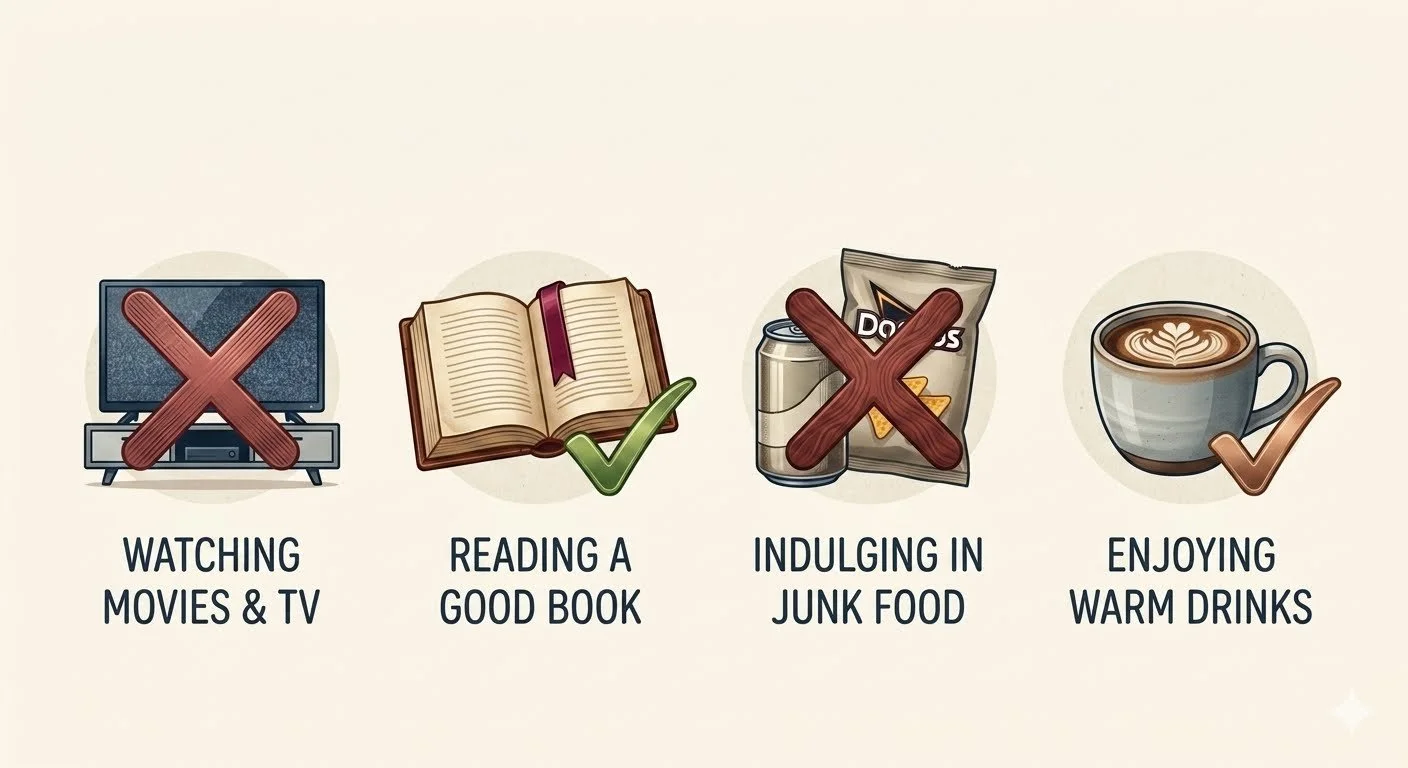
We draw warm baths. We dim the lights. We turn off the stimulating television screens. We hand them clean, nutrient-dense fuel and read a quiet story to prepare their nervous system for rest. We know, with absolute certainty, that giving a young child a plate of processed nachos, a sugary drink, and an intense action movie right before bed would be metabolic chaos.
Yet, as successful, autonomous adults, we do it to ourselves every single night.
We finish exhausting corporate workdays and walk through the door on the edge of burnout. We try to relax by flooding our senses with hyper-stimulating media. We default to highly processed convenience takeout, or we pour a drink under the illusion that it helps us unwind. We trade biological literacy for the immediate relief of convenience food and quick fixes.
The results of this lifestyle trap are clearly reflected on the clinic floor and in our national statistics: over 115 million American adults are now pre-diabetic, and millions more are trapped in a cycle of waking up exhausted, running on survival mode, and masking their underlying physical vulnerabilities.
When did we decide that becoming an adult meant abandoning basic human biology? Reclaiming autonomy means realizing that true luxury is waking up with vitality and physical fortitude, not crashing on the couch with industrial sugar and screen glare.
True success is not just about the titles we hold, the cars we drive, or the external metrics of achievement. True success is about having the knowledge and clarity to make choices that build physical fortitude, preserve our health, and honor our bodies.
Let’s rethink how we reward our hard work, and gift ourselves a wind-down routine that truly nurtures our mind and body.